In high-pressure oil and gas systems, valve integrity is directly linked to safety, uptime and lifecycle cost. Isolation valves must maintain sealing performance under fluctuating pressures, temperature extremes and challenging media.
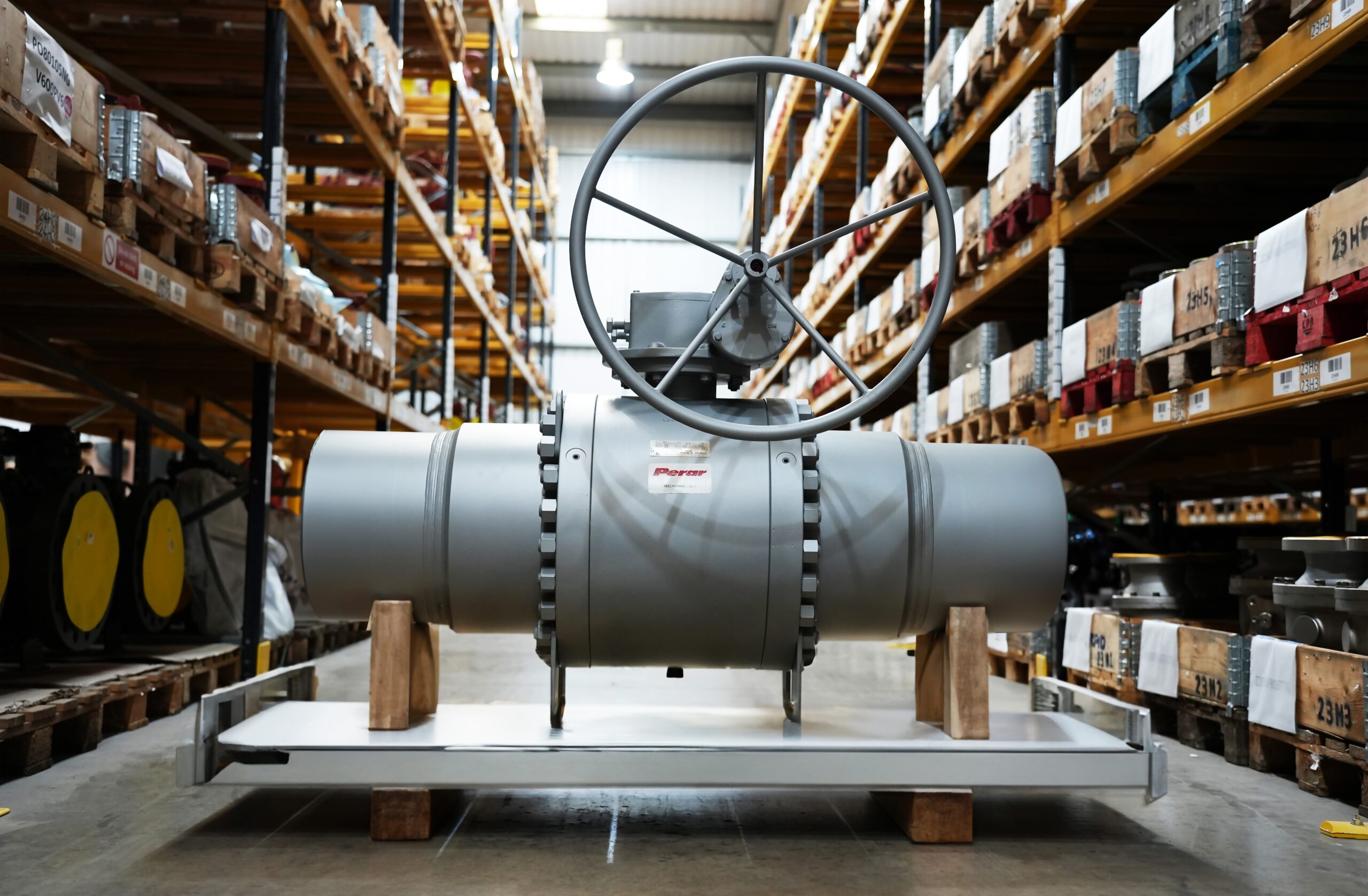
A high integrity trunnion ball valve is designed to address these demands through advanced sealing geometry and robust construction. Perar trunnion ball valves are a strong example of this approach, combining mechanical design features that improve torque, pressure handling and long-term reliability (for more info on specifying high-pressure Perar trunnion mounted ball valves, read our article here).
This article explores the key design elements that contribute to high-integrity performance and how they function in real-world applications.
Trunnion Design and Load Distribution
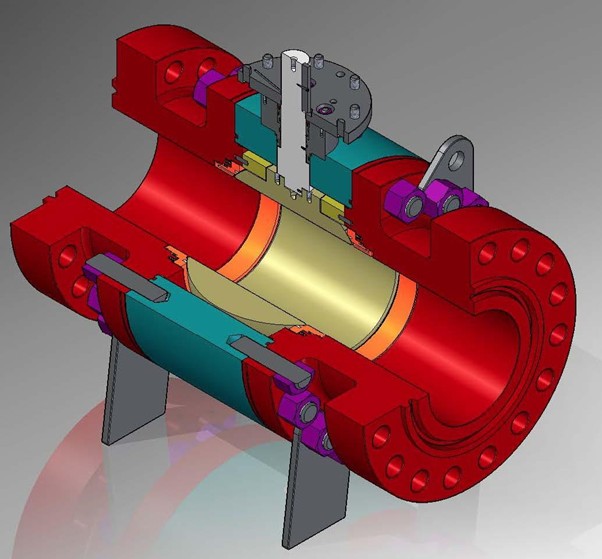
At the core of any high integrity trunnion ball valve is the trunnion-mounted ball design.
How it works
The ball is supported by fixed shafts at the top and bottom, allowing it to remain mechanically anchored within the valve body. Line pressure is absorbed by the trunnion structure rather than being transferred directly to the seats.
Why it matters
This load distribution provides several operational advantages:
- Reduced stress on sealing surfaces
- Consistent sealing under high differential pressure
- Improved stability in large-diameter valves
- Lower operating torque compared to floating designs
For pipeline and high-pressure applications, this results in predictable performance and reduced wear over time.
Forged Body Construction and Structural Integrity
A defining feature of a forged body ball valve modification is its mechanical strength.
How it works
Forging compresses the material grain structure, producing a denser and more uniform component compared to cast construction. This improves resistance to fatigue, cracking and pressure-related stress.
Why it matters
In demanding service conditions, forged construction delivers:
- Higher pressure containment capability
- Improved resistance to cyclic loading
- Reduced risk of structural defects
- Longer service life in critical systems
This makes forged designs particularly suitable for oil and gas isolation, high-pressure pipelines and severe service environments.
Sealing Stability and Double Block and Bleed Function
Sealing performance is a key factor in defining valve integrity. Perar valves incorporate seat designs that maintain consistent contact with the ball under varying pressures.
How it works
Spring-energised seats apply continuous force against the ball, ensuring sealing performance even at low pressure. Under higher pressure, the design uses line pressure to enhance the sealing effect.
Many configurations also provide double block and bleed ball valve functionality.
These features enable:
- Reliable shut-off in both directions
- Safe isolation for maintenance activities
- Verification of seal integrity via cavity bleed
For operators, this reduces the risk of leakage and improves safety during critical operations.
Stem Design and Blowout Protection
Stem integrity is often overlooked but is critical to overall valve safety.
How it works
Perar valves typically use an anti-blowout stem design, where the stem is inserted from inside the valve body and retained by internal features. This prevents the stem from being ejected under pressure.
Additional sealing elements minimise fugitive emissions along the stem.
Why it matters
This design provides:
- Enhanced operator safety
- Compliance with emissions standards
- Improved reliability in high-pressure systems
In hazardous environments, these features are essential for maintaining system integrity and regulatory compliance.
Precision Machining and Torque Control
Torque performance is a key consideration when specifying valves for automated or manual operation.
How it works
Precision machining ensures tight tolerances between the ball, seats and body. This reduces friction and ensures even load distribution across sealing surfaces.
Combined with the trunnion design, this results in a low torque ball valve configuration.
Why it matters
Lower and more consistent torque offers:
- Easier manual operation
- Smaller actuator sizing requirements
- Reduced wear on actuation components
- Improved control in automated systems
For large valves or high-cycle applications, this contributes significantly to operational efficiency.
Soft-Seated vs Metal-Seated Configurations
High-integrity performance also depends on selecting the correct seat design for the application.
Soft-seated valves
- Use polymer-based sealing materials
- Provide tight shut-off in clean service
- Suitable for general oil and gas applications
Metal-seated valves
- Use hard-faced metal sealing surfaces
- Designed for abrasive or high-temperature media
- Offer greater durability in severe service
Choosing between these options ensures the valve maintains sealing integrity under the specific operating conditions.
Applications in Oil and Gas Systems
The design features of a high integrity trunnion ball valve make it suitable for a wide range of applications, including:
- High-pressure transmission pipelines
- Refinery and petrochemical processing units
- Offshore and subsea systems
- Gas storage and distribution infrastructure
In these environments, valves must operate reliably with minimal maintenance while maintaining strict safety standards.
Conclusion and Support
High-integrity performance in ball valves is not the result of a single feature, but a combination of, forged construction, engineered sealing systems and precision manufacturing.
Perar trunnion ball valves integrate these elements to deliver reliable isolation in demanding oil and gas applications, with benefits including low torque operation, consistent sealing and long service life.
For projects requiring dependable valve performance, access to the right specification and supply chain is equally important.
With UK stock availability and engineering support, customers can benefit from:
- Fast delivery of high integrity trunnion ball valves
- Technical guidance on valve selection and configuration
- Support for actuation, testing and certification
- Assistance with project-specific requirements
For further details or to discuss your application, speak with a valve specialist to identify the most suitable configuration for your system.