On skid-mounted systems, temperature control plays an important role in maintaining safe and consistent operation. One feature that often stands out is the presence of the red cables running along the pipework. These cables are part of a heat tracing system, used to maintain temperatures and protect against freezing.
In this article, we take a closer look at what heat tracing is and how these visibly red, self-regulating cables work, as well as why they are used and their integration into skid-mounted systems.
What is Heat Tracing?
Heat tracing is used to maintain or raise the temperature of pipes, valves and instrumentation. It becomes particularly important in environments where low temperatures can affect performance or lead to freezing such as offshore platforms exposed to wind chill and constant movement or outdoor skid systems subject to harsh weather conditions.
The red cables are self-regulating heat tracing cables, meaning they adjust their heat output based on the surrounding conditions. This allows them to provide steady, controlled heating along the pipework without overheating or wasting energy.
How Do Heat Trace Cables Work?
Self-regulating heat trace cables are designed with a specialised conductive core that responds to temperature changes along the length of the cable.
When the surrounding temperature drops, the material inside the cable contracts, allowing more electrical current to flow. This increases heat output exactly where it’s needed. As temperatures rise, the material expands which reduces the current and lowers the heat output.
This means the cable can automatically adapt to different conditions across the same system. For example, exposed sections may generate more heat than sheltered areas. In practical terms, this provides:
- Targeted heat delivery along the pipework
- Improved energy efficiency
- Reduced risk of overheating
- Consistent temperature control across the system
Why Are Heat Tracing Cables Used?
When correctly specified and installed, heat tracing supports the performance of entire skid-mounted system in several ways:
- Prevents freezing and temperature-related failures
- Maintains stable process conditions
- Reduces downtime and maintenance
- Supports safe and consistent operation
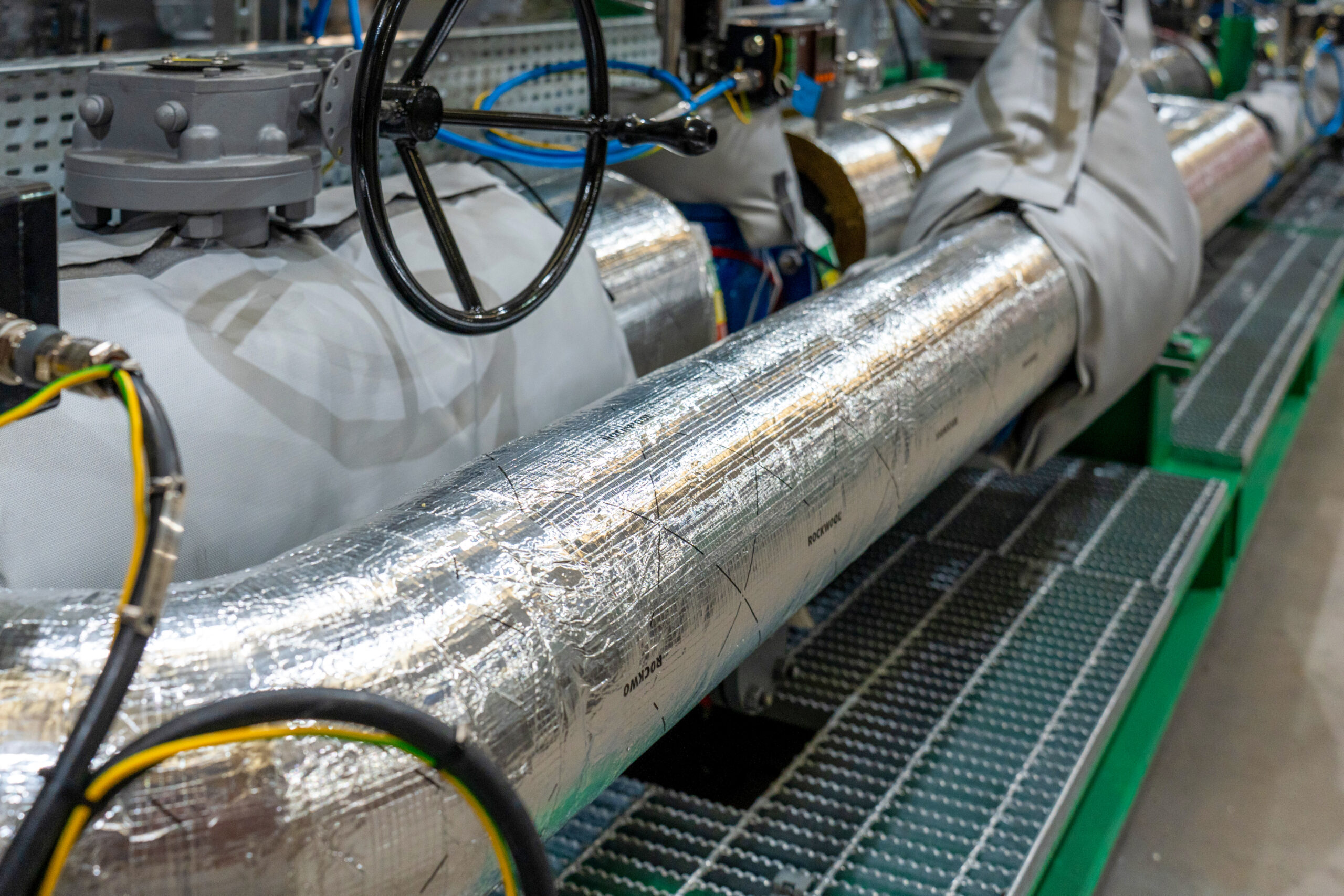
To improve efficiency, the visibly red cables are typically covered with insulation (lagging), such as mineral wool or fibreglass or foam. This helps retain heat and ensures the system operates as intended.
Application in Skid-Mounted Systems
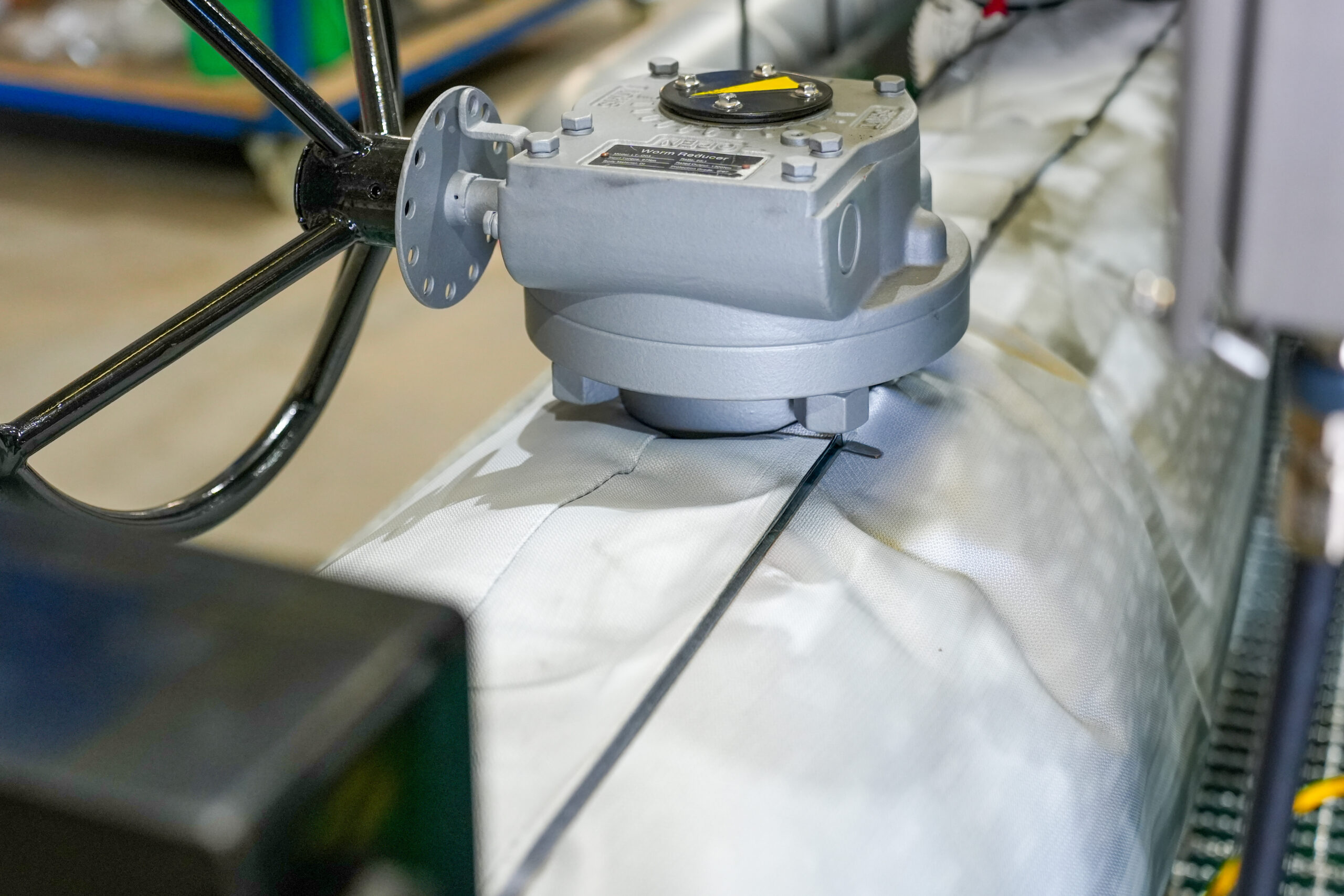
In skid-mounted systems, heat tracing is routed across pipework, valves and instrumentation to maintain consistent temperatures throughout the entire assembly. This is particularly important where sections of the system are exposed to changing ambient conditions, which can lead to uneven temperatures if not properly managed.
The routing of heat tracing is carefully planned to ensure all critical areas are covered, including components that are more prone to heat loss such as valves and smaller pipe sections. The goal is to maintain even heat distribution across the system without leaving gaps or creating hotspots.
By integrating heat tracing at the design and build stage of your project supply, it can be properly coordinated with insulation (lagging) and the overall layout. This helps avoid issues during installation and supports reliable, predictable performance once the system is in operation.
Conclusion
These red cables are a small, but important part of a much larger system. Heat tracing helps ensure that skid-mounted systems operate reliable, particularly in environments where temperature control is critical.
If you’re planning a skid-mounted system or need support with heat tracing or any wider process and flow control requirements, our team at ACV can support. Get in touch with us today to discuss your project and find a solution that’s built for performance and reliable long-term operation.