Not all control valves are designed to solve the same engineering challenges. While standard off-the-shelf control valves are suitable for many general industrial settings, severe service environments can expose limitations in performance and service life. High pressure drops, cavitation, flashing, erosion and extreme temperatures often require a more specialised solution.
This is where Severn control valves differ. Engineered specifically for severe service applications, Severn control valves are designed to deliver reliable performance in some of the world’s most demanding process environments.
In this article, we’ll compare Severn control valves with standard control valves, exploring the key differences in design, materials, trim technology and lifecycle reliability to help you determine which solution is right for your application.
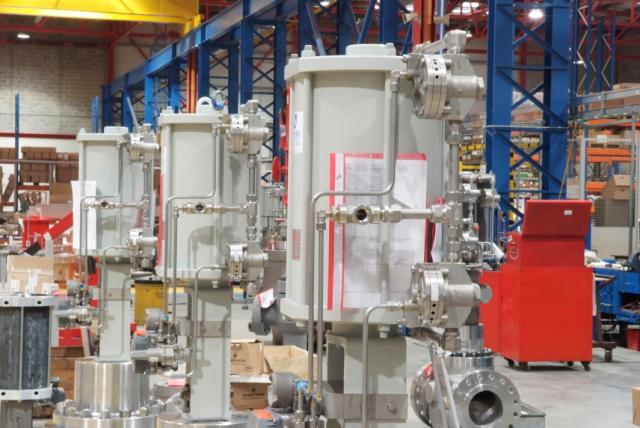
What is a Standard Control Valve?
A standard control valve is designed to regulate flow, pressure, temperature or level within a process system under typical operating conditions.
These valves are generally selected for applications where:
- Pressure drops are moderate
- Process media is relatively clean
- Cavitation risk is low
- Noise levels are manageable
- Erosion and wear are limited
- Process conditions remain predictable
Standard control valves are widely used across manufacturing, water treatment, food processing and general industrial applications because they offer a cost-effective solution for routine flow control duties.
However, when process conditions become more severe, conventional valve designs often reach their operational limits.
What is a Severn Control Valve?
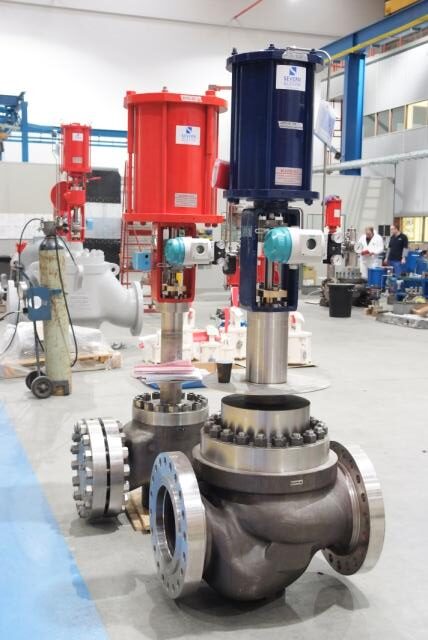
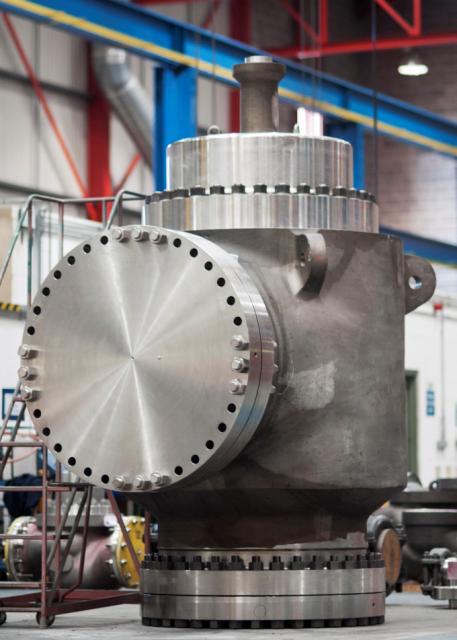
A Severn control valve is a severe service control valve specifically engineered to handle extreme operating conditions that would rapidly damage or compromise standard valve designs.
Severn valves are developed to provide precise control, minimise damage caused by cavitation and flashing, reduce aerodynamic noise and maintain long-term reliability in highly demanding applications.
Common applications include:
- Steam letdown systems
- Boiler feedwater control
- Turbine bypass systems
- High pressure gas control
- Anti-surge applications
- Compressor recycle systems
- Desuperheating systems
- Oil and gas production facilities
- Carbon capture processes
- Hydrogen infrastructure
In these applications, valve performance directly impacts plant efficiency, safety and operational continuity.
Severn Control Valve vs Standard Control Valve
| Feature | Standard Control Valve | Severn Control Valve |
| Intended Application | General process control | Severe service applications |
| Pressure Drop Capability | Moderate | Extremely high |
| Cavitation Resistance | Limited | Advanced anti-cavitation trim |
| Noise Reduction | Basic | Multi-stage noise attenuation technology |
| Erosion Resistance | Standard materials | Specialist hardened materials |
| Service Life | Moderate | Extended lifecycle performance |
| Maintenance Frequency | Higher | Reduced maintenance requirements |
| Process Stability | Good | Exceptional under demanding conditions |
| Total Cost of Ownership | Lower initial cost | Lower long-term operation cost |
While standard control valves often provide a lower purchase price, severe service applications frequently favour Severn valves because of the significant reduction in maintenance costs, downtime and replacement expenditure over the valve’s operational life.
Advanced Trim Technology – One of the Biggest Engineering Differences
Perhaps the most significant distinction between a Severn control valve and a standard control valve lies within the trim design.
The trim is the internal component responsible for controlling fluid flow and managing pressure reduction.
Standard Control Valve Trim
Most standard control valves utilise relatively simple trim arrangements designed for conventional process conditions. Under severe operating conditions, these trims can experience:
- Cavitation damage
- Flashing erosion
- Excessive vibration
- High noise generation
- Premature wear
As these effects intensify, valve performance deteriorates and maintenance requirements increase.
Severn Severe Service Trim
Severn valves utilise highly engineered trim designs developed specifically to manage severe service conditions. Depending on the application, this may include:
- Multi-stage pressure reduction
- Anti-cavitation trim technology
- Velocity control trim designs
- Noise attenuation systems
- Pressure recovery management
Rather than allowing the full pressure drop to occur in a single stage, Severn trim designs carefully distribute pressure reduction throughout the valve. This significantly reduces damaging forces that would otherwise compromise valve performance.
The result is greater reliability, improved process control and a substantially longer service life.
Material Selection and Manufacturing Quality
The materials used within a control valve have a direct impact on reliability and lifespan.
Standard Valve Materials
Many standard control valves are manufactured using conventional materials suitable for general industrial duties.
While effective for routine applications, these materials may struggle when exposed to:
- High temperatures
- Corrosive process fluids
- Abrasive media
- Severe pressure differentials
- Continuous cycling
Severn Valve Materials
Severn control valves are designed with material performance at the forefront. Depending on the process requirements, Severn valves may incorporate:
- Hardened trim components
- Specialist alloys
- Corrosion-resistant materials
- High temperature resistant materials
- Wear-resistant coatings
Material selection is carefully aligned to the operating environment, ensuring optimal performance throughout the valve’s lifecycle.
This engineering-led approach helps minimise degradation and extends operational reliability even in aggressive process conditions.
Cavitation and Flashing Control
For many engineers, cavitation and flashing represent two of the most destructive challenges encountered within fluid control systems.
Why Cavitation Damaged Control Valves
Cavitation occurs when local pressure falls below the liquid vapour pressure, creating vapour bubbles that subsequently collapse. The collapse of these bubbles generates intense shockwaves capable of causing:
- Trim erosion
- Vibration
- Noise
- Reduced valve performance
- Premature valve failure
How Severn Control Valves Address Cavitation
Severn severe service control valves incorporate advanced anti-cavitation trim technologies specifically designed to prevent damaging cavitation from developing.
By controlling fluid velocity and managing pressure reduction in stages, these valves significantly reduce the risk of cavitation damage.
For applications involving severe pressure drops, this can dramatically increase valve lifespan while maintaining process stability.
Lifecycle Reliability and Total Cost of Ownership
When evaluating control valve performance, focusing solely on purchase price can be misleading.
A lower-cost valve may initially appear attractive but can become significantly more expensive when maintenance, downtime and replacement costs are considered.
The Hidden Costs of Standard Control Valves
In severe service applications, standard valves often experience:
- More frequent maintenance
- Increased spare parts consumption
- Unplanned downtime
- Reduced operational efficiency
- Shorter replacement intervals
The Long-Term Value of Severn Control Valves
Severn control valves are engineered to deliver long-term reliability under demanding operating conditions. Benefits often include:
- Extended maintenance intervals
- Improved plant availability
- Reduced lifecycle costs
- Greater process consistency
- Enhanced operational safety
For many critical applications, the reduction in downtime alone can justify the investment in a severe service valve solution.
When Should You Choose a Severn Control Valve?
A Severn control valve should be considered over a standard control valve whenever your process involves:
- High pressure drops
- Severe cavitation risk
- Flashing fluids
- High temperatures
- Erosive media
- High velocity gas or steam
- Critical process applications
- Reliability-sensitive operations
If valve failure could lead to production losses, safety concerns or significant maintenance costs, a severe service solution is often the most effective long-term investment.
Conclusion
While standard control valves are suitable for many applications, severe service environments demand a more specialised solution. Severn control valves are engineered to withstand high pressure drops, cavitation, flashing, erosion and other challenging operating conditions, delivering greater reliability, performance and service life in critical processes.
If you’re evaluating a control valve application, experiencing recurring valve issues or looking to improve process reliability, our team at ACV can help. We provide expert support on Severn control valves, valve selection, sizing and application engineering. Contact us today to discuss your requirements.