Not all control valves are designed to operate under severe service conditions, due to the exceptional demands placed on them in these settings. High pressure drops, cavitation, flashing and extreme operating conditions require a level of performance that standard valve designs often cannot deliver. This is why Severn control valves are widely specified across oil and gas, power generation, petrochemical and other critical process industries.
In this guide, we’ll explore the engineering features that make Severn control valves particularly suited to severe service applications, from anti-cavitation trim technology and noise attenuation to material selection and long-term reliability.
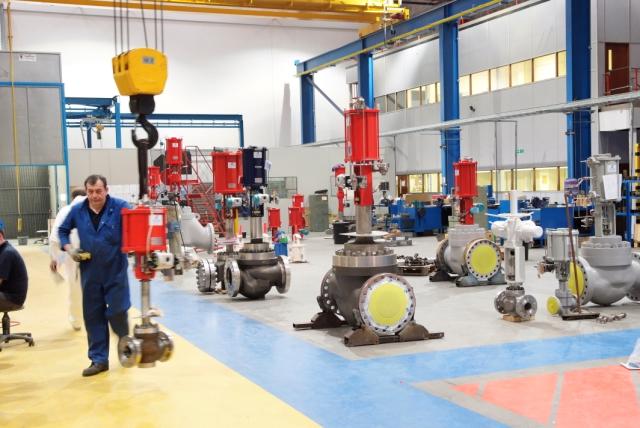
What is a Severe Service Control Valve?
A severe service control valve is a valve specifically engineered to operate reliably and safely under process conditions that would quickly damage or reduce the performance of conventional control valves.
These conditions may include:
- High pressure differentials
- Cavitation
- Flashing fluids
- High temperatures
- High velocity flow
- Erosive or corrosive media
- Extreme noise levels
- Frequent cycling
In severe service environments, the valve is often exposed to significant mechanical and thermal stresses and without appropriate engineering, premature wear, loss of control performance and costly failures can occur.
This is where specialist valve manufacturers such as Severn have built their reputation.
Why are Severn Control Valves Used in Severe Service Applications?
Severn control valves are designed specifically to address the challenges associated with severe process conditions, leveraging their advanced practices and their 65+ years of severe service knowledge and experience.
Rather than relying on standard valve designs, Severn engineers solutions around the specific operating demands of each application. This includes advanced trim technologies, specialist materials, pressure drop capabilities and even noise reduction features. Ultimately, these specialist valve configurations are designed to manage pressure reduction, flow velocity and energy dissipation more effectively.
The result is improved reliability, reduced maintenance requirements and greater process stability throughout the valve’s operational life, which standard control valves are unable to match.
Managing High Pressure Drops
One of the biggest challenges within severe service applications is handling large pressure reductions across the valve.
When a significant pressure drop occurs, fluid velocity can increase dramatically. This can create excessive turbulence, vibration, noise and accelerated wear on internal valve components.
Why High Pressure Drops Matter
Without appropriate pressure management, high pressure applications can lead to:
- Trim erosion – High fluid velocities can wear internal components, reducing performance and service life.
- Excessive vibration – Turbulent flow can create vibration, increasing stress on the valve and surrounding equipment.
- Mechanical fatigue – Ongoing pressure fluctuations can weaken components over time, leading to failure.
- Noise generation – High-energy flow can produce excessive noise and indicate inefficient pressure reduction.
- Reduced control accuracy – Wear and damage can affect the valve’s ability to regulate flow and pressure precisely.
- Premature valve failure – Continued stress and degradation can result in unexpected failures and costly downtime.
These issues not only affect valve performance but can also impact wider plant reliability.
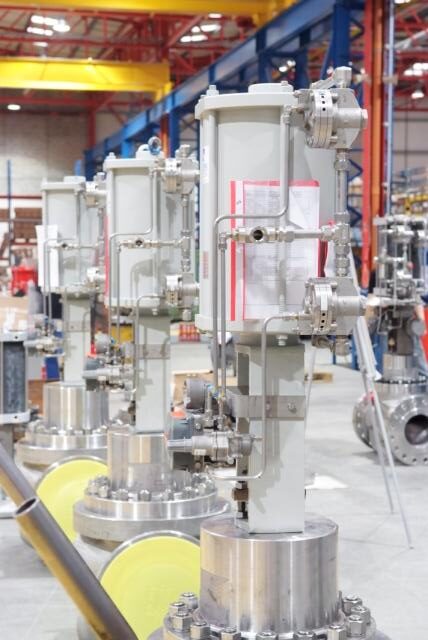
Anti-Cavitation Control Valve Technology
Cavitation is one of the most destructive phenomena encountered within liquid control applications. It occurs when pressure falls below the liquid’s vapour pressure, causing vapour bubbles to form. As these bubbles collapse, they generate powerful shockwaves capable of damaging internal valve components.
The Effects of Cavitation
Uncontrolled cavitation can cause:
- Severe trim erosion
- Vibration
- Noise
- Reduced control performance
- Premature equipment failure
In critical process environments, cavitation-related damage can significantly increase maintenance costs and downtime.
How Severn Anti-Cavitation Control Valves Work
Severn anti-cavitation control valves are designed to prevent damaging cavitation from developing in the first place.
Through carefully engineered trim geometries and multi-stage pressure reduction, fluid energy is controlled progressively throughout the valve. This allows the valve to:
- Prevent destructive cavitation
- Protect internal components
- Maintain stable process control
- Improve operational reliability
For applications involving severe pressure differentials, anti-cavitation trim technology is often essential rather than optional.
Noise Attenuation in Severe Service Applications
Excessive control valve noise is often a symptom of high energy process conditions. In steam and gas applications, rapid pressure reduction can generate significant aerodynamic noise, creating both operational and safety concerns.
High noise levels contribute to a range of problems including personnel safety concerns, equipment fatigue, mechanical vibration and more, which is why noise reduction is an important part of valve specification for many facilities.
How Severn Control Valves Limited Noise Attenuation
Severn control valves incorporate advanced noise attenuation technologies designed to manage fluid energy more effectively. These solutions typically focus on controlling the velocity of the fluid which helps to reduce turbulence and manage pressure recovery.
By addressing the source of the noise rather than just trying to contain it, Severn control valves help improve both operational performance and plant safety.
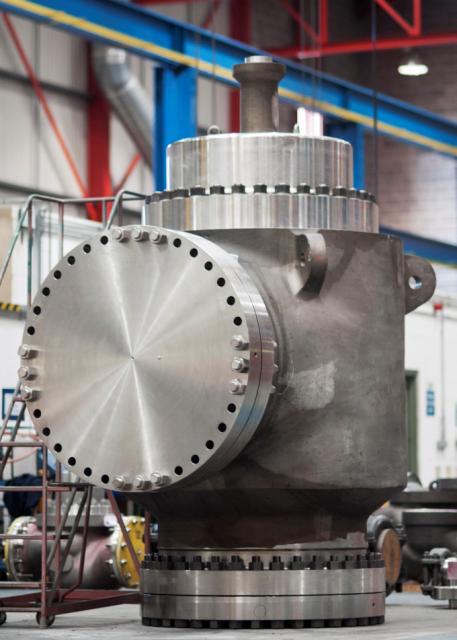
Material Engineering for Long-Term Reliability
Valve performance is heavily influenced by material selection.
In severe service applications, internal components may be exposed to corrosive chemicals, abrasive media, extreme temperatures and high velocity flow. Standard materials used in typical valve construction often struggle to provide acceptable service life under these conditions.
This means poor material selection can result in issues like faster wear and corrosion damage, leading to reduced valve lifespan and higher costs dealing with the associated problems.
How Severn Control Valves are Engineered
Severn valves are engineered using materials selected specifically for the application. Depending on the process requirements, this may include:
- Hardened trim materials
- Specialist alloys
- Corrosion-resistant materials
- Wear-resistant coatings
- High temperature resistant materials
This application-led approach helps maximise valve performance while reducing lifecycle costs.
Why Severn Control Valves are Used in Power Plants
Power generation remains one of the most demanding environments for any control valve. Steam systems, turbine bypass applications, feedwater control and pressure reduction duties place significant demands on valve performance.
A control valve operating in an environment like this therefore must be capable of handling:
- Extreme temperatures
- High pressure steam
- Rapid load changes
- Frequent cycling
- Severe pressure drops
- Fast Closure/Shutdown
Severn control valves have been widely specified within power generation facilities because they are engineered specifically for these conditions.
Their ability to maintain precise control while minimising wear helps power plants improve efficiency, reduce downtime and enhance operational reliability.
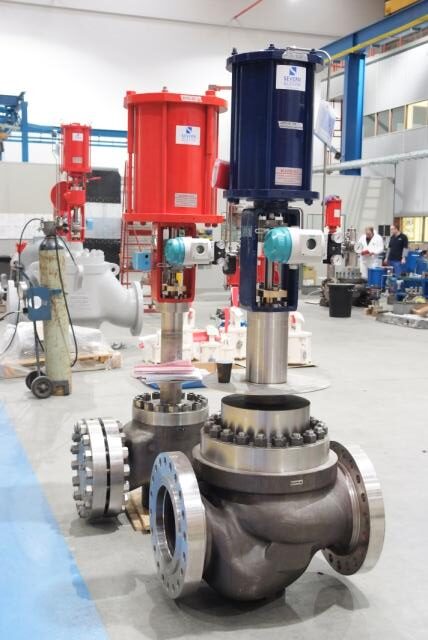
Applications Across Oil and Gas and Petrochemical Industries
The oil and gas and petrochemical sectors present many of the same severe service challenges, across the same applications such as high-pressure gas control, compressor recycle systems, anti-surge protection, letdown stations and more.
These duties require valves capable of maintaining reliable performance under demanding operating conditions. Severn control valves are frequently selected because of their proven ability to manage complex process requirements while maintaining long-term reliability.
The Long-Term Benefits of Severn Control Valves
While severe service control valves often represent a greater initial investment, the long-term benefits can be substantial. Key advantages include:
- Improved reliability
- Reduced maintenance requirements
- Extended service life
- Lower lifecycle costs
- Greater process stability
- Improved plant availability
- Enhanced operational safety
For critical applications, these benefits often outweigh the initial capital cost many times over.
Conclusion
Severn control valves are trusted across some of the world’s most demanding industries because they deliver reliable performance where conventional valve designs often fall short. Through advanced trim technology, specialist materials and application-specific engineering, they help improve reliability, reduce maintenance and support long-term process efficiency.
If you’re evaluating a severe service application or looking for expert guidance on Severn control valves, our team at ACV can help. We provide support with valve selection, sizing and application engineering to ensure the right solution for your process. Contact us today to discuss your requirements.