Pressure control valves are designed to regulate flow and maintain a desired pressure within a system. By continuously responding to changing process conditions, they help ensure stable operation, protect equipment and improve overall process performance.
In this guide, we’ll explain how pressure control valves work, including the relationship between flow and pressure, the role of actuators and the key components that enable accurate pressure control.
What are Pressured Control Valves?
Pressure control valves are specialised control valves used to maintain, reduce or regulate pressure within a process system.
Their primary purpose is to ensure that pressure remains within a predetermined range, regardless of fluctuations elsewhere in the system. Because of this, pressure control valves are commonly used in:
• Power generation plants
• Oil and gas facilities
• Water treatment systems
• Chemical processing plants
• Steam distribution networks
• Manufacturing environments
• Hydrogen and energy infrastructure
Without effective pressure control, systems can become inefficient or potentially unsafe.
How do Pressure Control Valves Work?
At a fundamental level, pressure control valves work by adjusting the flow of fluid through a pipeline or process system.
Pressure and flow are closely linked. By increasing or restricting flow, a control valve can influence the pressure within a system and maintain the required operating conditions.
When pressure begins to move away from the desired setpoint, the valve automatically adjusts its position to restore balance. The process then follows a continuous cycle:
Pressure within the system is measured.
The control system compares the measured pressure against the desired setpoint.
- A signal is sent to the valve actuator
- The actuator adjusts the valve position
- Flow changes accordingly
- Pressure stabilises at the required level
This process occurs continuously, allowing the valve to respond to changing demand and operating conditions in real time.
The Relationship Between Flow and Pressure
To understand how pressure control valves work, it is important to understand the relationship between flow and pressure.
When a control valve closes further, it restricts the flow path. This increases resistance within the system and influences pressure conditions upstream and downstream of the valve. Conversely, when the valve opens, flow increases and pressure conditions adjust accordingly.
The exact pressure response depends on factors such as:
- Flow rate
- Pipe diameter
- Fluid properties
- System design
- Process demand
This is why pressure control requires precise valve sizing and accurate control strategies.
Key Components of Pressure Control Valves
While designs vary depending on the application, most pressure control valves consist of several key components working together.
Valve Body
The valve body forms the main pressure-retaining structure of the valve and directs the process fluid through the system. Its design influences flow capacity, pressure handling capability, material compatibility and overall valve performance. Different body designs are used depending on the application and operating conditions.
Valve Trim
The trim refers to the internal components responsible for controlling flow, typically including:
- Plug
- Seat
- Cage
- Stem
As the trim moves, the flow area changes, allowing the valve to regulate pressure with precision. The trim design is often one of the most important factors influencing valve performance and reliability.
Positioner
A valve positioner ensures the valve reaches the exact position requested by the control system. By continuously monitoring valve movement, it improves control accuracy, responsiveness and process stability. Modern digital positioners can also provide valuable diagnostic information, helping identify maintenance requirements before failures occur.
This reads more naturally, reduces visual clutter and keeps the article moving. Engineering readers typically prefer concise explanations over multiple small bullet lists unless they’re comparing options, benefits or components.
The Role of Actuators in Pressure Control Valves
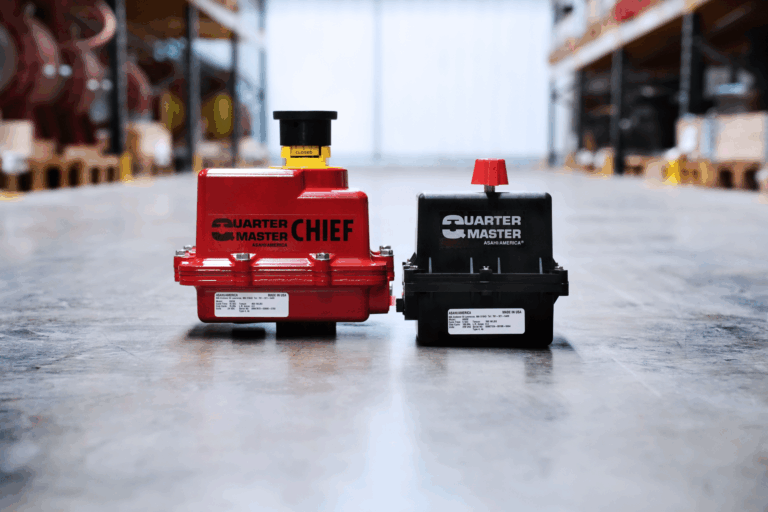
The actuator is the component responsible for physically moving the valve.
Without an actuator, the valve would not be able to respond automatically to changing process conditions.
What Does an Actuator Do?
The actuator converts a control signal into mechanical movement.
As system pressure changes, the actuator adjusts the valve position to maintain the required pressure setpoint. This allows the valve to operate automatically without manual intervention.
Common Types of Valve Actuator
Pneumatic Actuators
Pneumatic actuators use compressed air to move the valve. Benefits include:
- Fast response times
- Reliable operation
- Intrinsic safety in hazardous environments
- Cost-effective installation
Pneumatic actuators remain one of the most widely used actuator types within industrial control valve applications.
Electric Actuators
Electric actuators use an electric motor to drive valve movement. They are often selected where compressed air is unavailable or where precise positioning is required. In these applications they can be easily integrated with control systems, while also allowing for high positional accuracy and reduced plant air requirements.
Hydraulic Actuators
Hydraulic actuators use pressurised fluid to generate high operating forces. They are commonly used in severe service applications involving high pressures, large valve sizes and critical process duties.
Hydraulic systems can deliver significant force while maintaining precise control.
Why Pressure Control Matters
Maintaining stable pressure is essential for both process performance and equipment protection. Effective pressure control helps:
- Protect pumps and compressors
- Improve process efficiency
- Maintain product quality
- Reduce energy consumption
- Prevent equipment damage
- Enhance operational safety
- Improve system reliability
Even relatively small pressure fluctuations can create challenges throughout a process system if not properly controlled.
Common Applications for Pressure Control Valves
Pressure control valves are used across a wide range of industries and applications.
Steam Pressure Control
Steam systems often require precise pressure reduction to ensure safe and efficient operation.
Pressure control valves regulate steam pressure before it reaches process equipment, helping maintain stable temperatures and process conditions.
Gas Pressure Regulation
Natural gas, hydrogen and industrial gas systems rely on pressure control valves to maintain consistent supply pressures and protect downstream equipment.
Pump Protection
Pressure control valves help prevent excessive pressure build-up that could damage pumps, pipework and associated equipment.
Process Control Systems
Many manufacturing and processing facilities use pressure control valves as part of wider automation systems to maintain stable operating conditions and maximise production efficiency.
Factors That Influence Pressure Control Valve Performance
Several factors influence how effectively a pressure control valve performs. These include:
- Valve sizing
- Actuator selection
- Trim design
- Process conditions
- Pressure differential
- Fluid characteristics
- Installation quality
- Maintenance practices
Selecting the correct valve for the application is critical to achieving long-term reliability and effective process control.
An undersized or incorrectly specified valve can lead to poor control performance, excessive wear and increased maintenance costs.
How to Choose the Right Pressure Control Valve
Choosing the correct pressure control valve requires a detailed understanding of the application. Important considerations include:
- Operating pressure range
- Flow requirements
- Fluid type
- Temperature conditions
- Required control accuracy
- Noise considerations
- Cavitation risk
- Maintenance requirements
For critical applications, working with experienced valve specialists, like our team at ACV, can help ensure the most appropriate solution is selected.
Conclusion
Pressure control valves play a vital role in maintaining safe and reliable industrial processes. By continuously adjusting flow in response to changing system conditions, they help regulate pressure and improve overall process performance, while protecting equipment in use.
If you’re looking to better understand how pressure control valves work, need support selecting the right control valve or require guidance on a specific application, we can help. Our team provides expert advice on control valve selection, sizing, actuation and severe service applications. Contact us today to discuss your requirements and find the most effective solution for your process.