In industrial valve selection, the lowest purchase price rarely reflects the true cost of ownership. For engineers, EPC contractors and procurement teams working in oil & gas, petrochemical or power applications, the difference between a premium vs budget ball valve often becomes clear only after installation, when downtime, leakage or maintenance issues begin affecting operations.
At first glance, many valves appear similar on paper. Pressure ratings, dimensions and actuation options may match. However, differences in materials, manufacturing methods, certification standards and testing procedures can significantly affect reliability and service life.
This is particularly important when comparing Perar valves with cheaper alternatives.
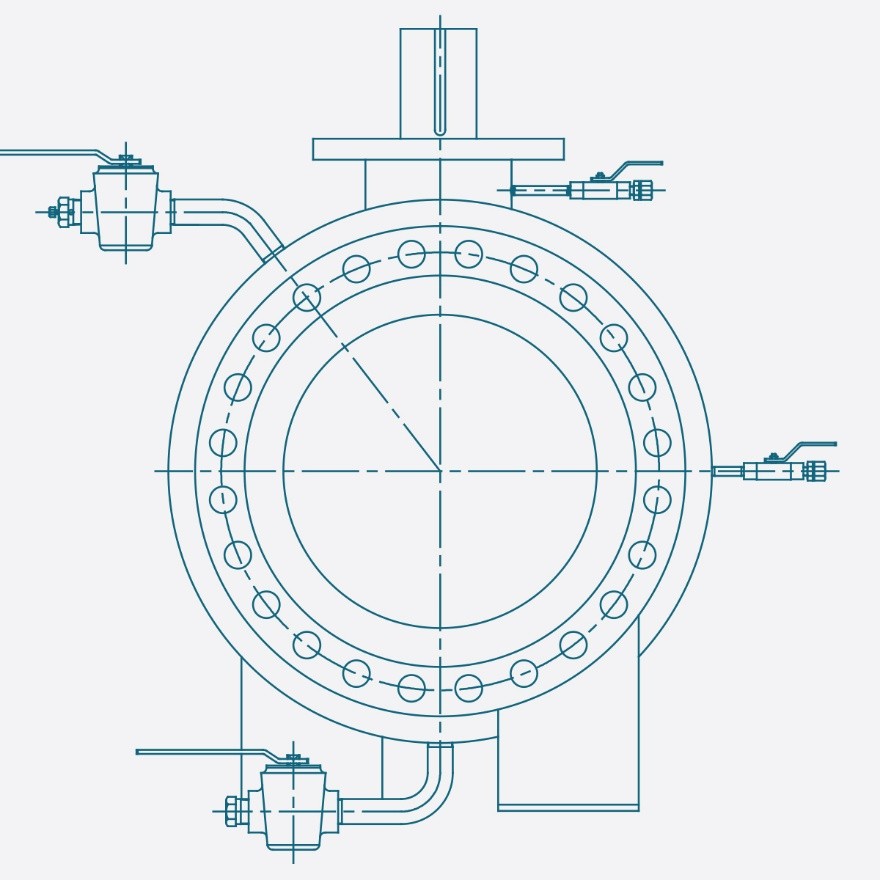
Why Valve Construction Matters
Ball valves operate by rotating a bored ball through 90 degrees to start or stop flow. In critical applications, the integrity of the valve body, seats and sealing surfaces determines whether the valve can maintain pressure containment and shut-off performance over time.
The biggest distinction between a premium and cheap ball valve is usually found in how the valve body is manufactured.
Forged vs Cast Ball Valve Construction
A forged body ball valve is manufactured from solid forged steel, while cast valves are formed by pouring molten metal into moulds.
Forging produces a denser and more uniform grain structure, which improves:
- Mechanical strength
- Resistance to fatigue and cracking
- Pressure containment
- Performance under thermal cycling
Casting is typically less expensive but can introduce porosity, inclusions or structural inconsistencies. While cast valves may be suitable for lower-demand services, they can present greater long-term risk in high-pressure or corrosive environments.
Perar’s forged body ball valve designs are widely specified for critical service applications where durability and operational reliability are priorities.
Certification and Compliance Standards
One major difference between a premium ball valves and lower-cost options is traceability and certification.
Premium manufacturers such as Perar typically design and manufacture valves to internationally recognised standards including:
- API 6D
- API 607 fire-safe testing
- ISO 15848 fugitive emissions standards
- NACE MR0175 for sour service
- PED and ATEX requirements where applicable
For operators and EPC contractors, this matters during:
- Project approvals
- Site audits
- Maintenance inspections
- Insurance and regulatory compliance reviews
In critical infrastructure projects, incomplete certification can quickly become a costly issue.
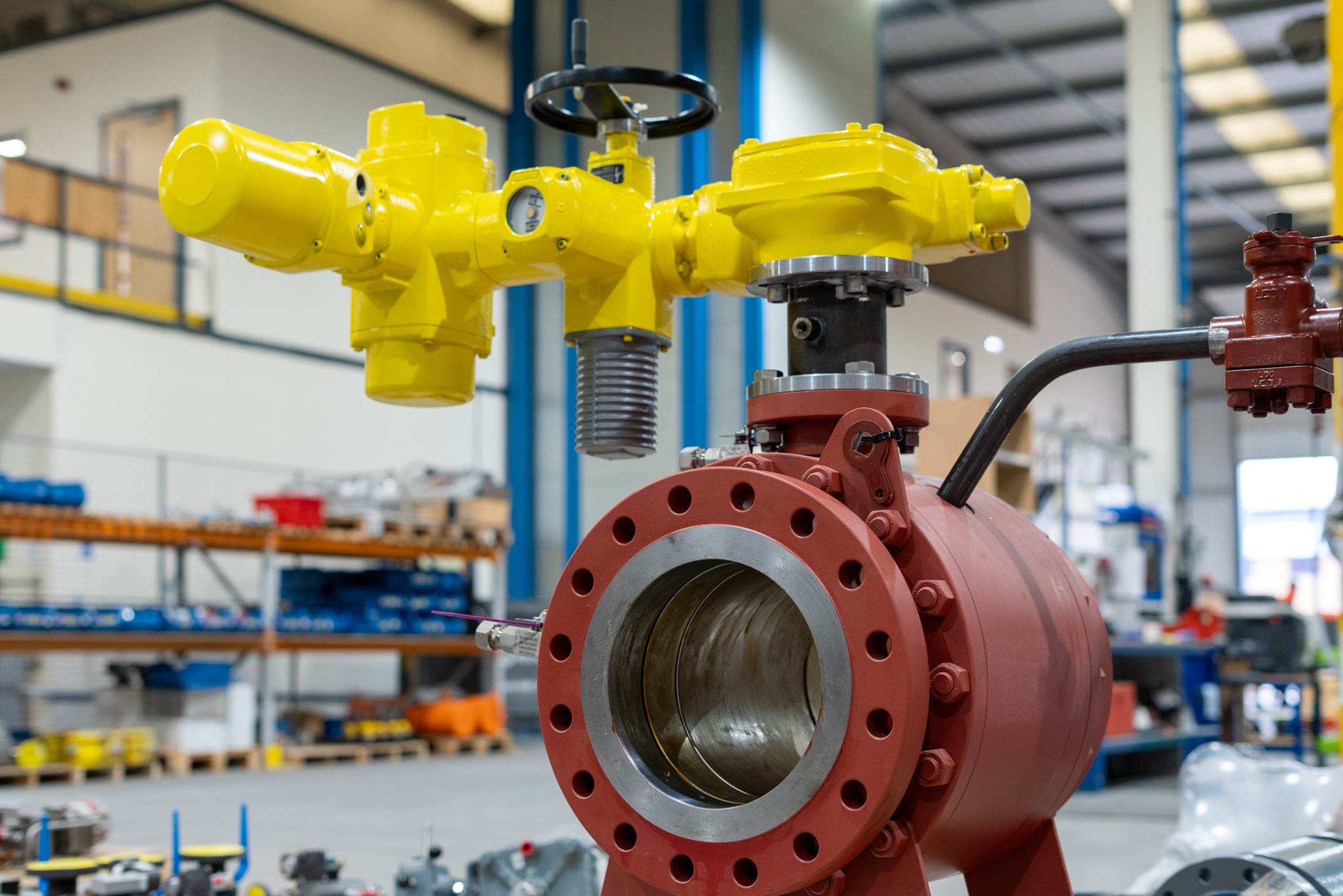
Trunnion Mounted Ball Valve Performance
A trunnion mounted ball valve is designed with additional mechanical anchoring that supports the ball at both the top and bottom. This design reduces operating torque and improves sealing performance under high differential pressure.
Compared with floating ball valves, trunnion-mounted valves provide:
- Better sealing stability
- Reduced seat wear
- Lower actuator sizing requirements
- Improved performance in large-diameter applications
This is why trunnion-mounted designs are commonly specified in pipelines, terminals, LNG facilities and offshore systems.
Perar valves are frequently selected for these applications because of their robust sealing systems and proven lifecycle performance.
The Real Cost of a Cheap Ball Valve
The initial savings of a budget valve can disappear quickly when operational costs are considered.
Common issues seen with lower-cost valves include:
- Premature seat wear
- Stem leakage
- Inconsistent torque operation
- Limited spare parts availability
- Reduced lifecycle expectancy
In remote or hazardous environments, valve failure can result in:
- Production downtime
- Safety risks
- Environmental incidents
- Expensive maintenance shutdowns
For procurement teams focused purely on upfront cost, these risks are often underestimated.
A premium vs budget ball valve comparison should therefore consider total installed lifecycle cost rather than purchase price alone.
Material Quality and Long-Term Reliability
Material selection plays a major role in valve longevity.
Perar valves typically utilise higher-grade forged materials, precision machining and controlled heat treatment processes to ensure dimensional consistency and sealing integrity. This is especially important in:
- High-pressure gas systems
- Hydrogen applications
- Cryogenic service
- Corrosive process environments
- Offshore installations
Cheaper alternatives may use lower-grade materials or simplified manufacturing processes that reduce cost but also reduce long-term reliability.
For engineers responsible for plant uptime and asset integrity, consistency matters more than short-term savings.
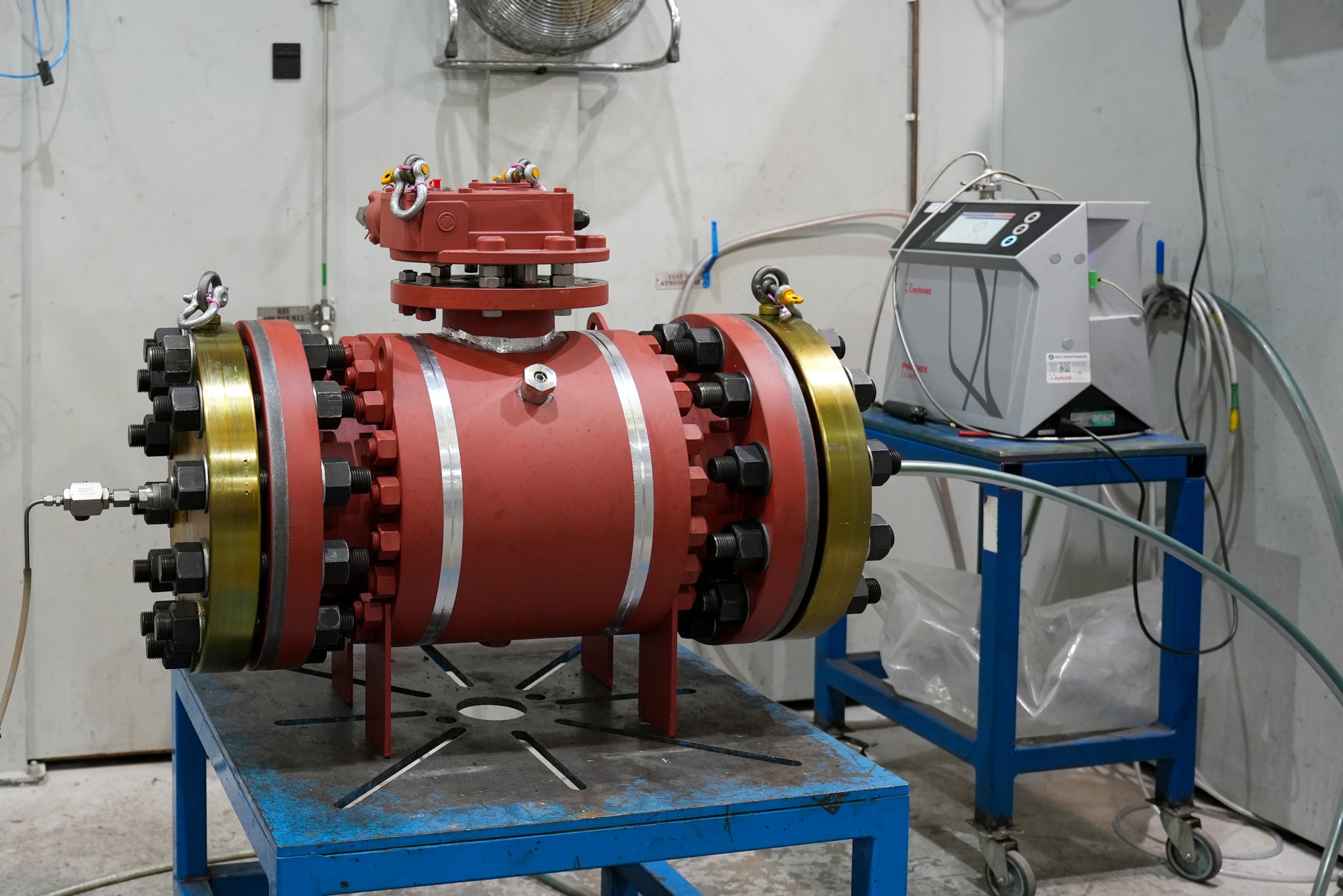
Choosing the Right Valve for Critical Applications
Not every application requires a premium valve specification. However, in safety-critical or high-cycle operations, valve reliability directly affects operational performance and maintenance costs.
When evaluating valve suppliers, engineers should assess:
- Forged vs cast ball valve construction
- Certification and traceability
- Pressure and temperature testing procedures
- Fugitive emissions performance
- Availability of technical support and spare parts
- Proven field performance
These factors often determine whether a valve performs reliably for years or becomes a recurring maintenance issue.
Technical Support and Project Availability
As a UK stockist for Perar valves, ACV supports projects with immediate product availability, technical guidance and valve modification services tailored to site requirements.
Maintaining local stock of Perar Trunnion mounted ball valves helps reduce lead times during planned shutdowns, maintenance work and urgent replacement projects. For EPC contractors and operators, this can simplify procurement and minimise delays to commissioning schedules.
Beyond supply, ACV provides technical support throughout the specification and selection process, including assistance with:
- Material and trim selection
- Pressure and temperature requirements
- Actuation packages
- Fire-safe and fugitive emissions compliance
- Sour service and critical service applications
ACV also offers valve modifications and project-specific preparation to help ensure valves are delivered ready for installation. This may include actuator mounting, locking devices, extension spindles, testing requirements and documentation support.
For demanding oil & gas, petrochemical and industrial applications, access to local stock combined with experienced engineering support can significantly reduce project risk and improve long-term reliability.