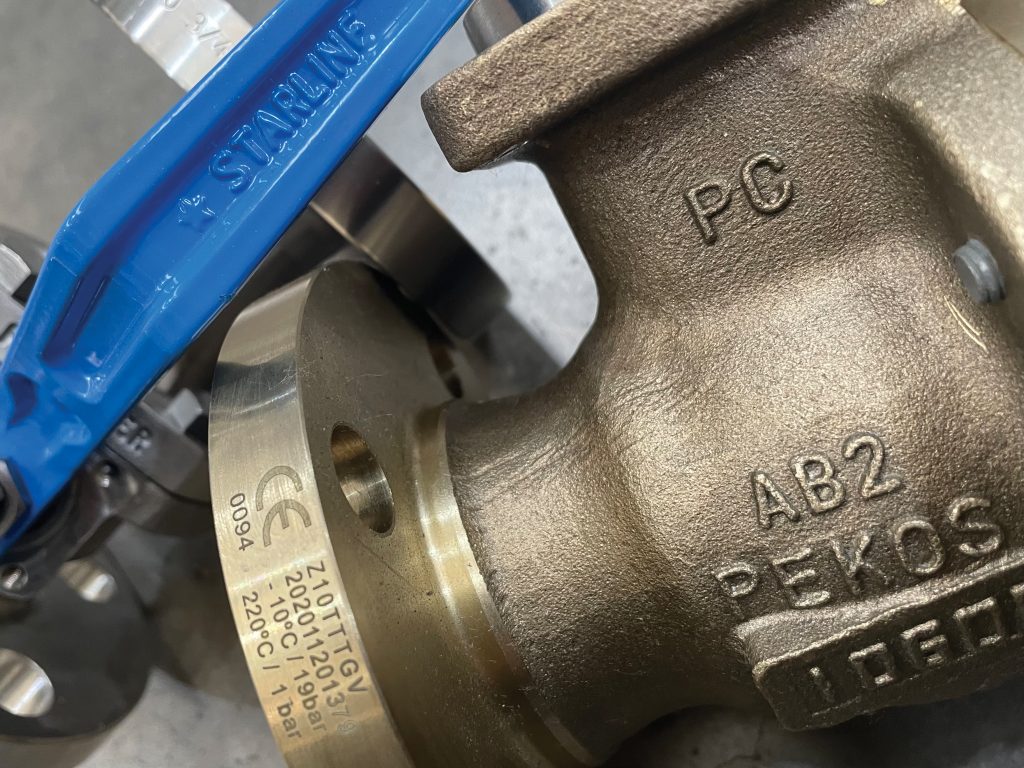
Trunnion Mounted Ball Valve Training
Hands-on training

Benefits
- Industry-led advice
- Practical expertise
- Open to new and existing customers
- Brilliant aftercare services
- Valve stock & manufacturing services also available
- Course overview
- Agenda
- FAQs
Course overview
This course will provide an in-depth exploration of trunnion mounted ball valves, covering their design, operation and key features. Participants will learn about essential terminology, various materials used in these valves and their advantages and limitations across different applications.
This training also emphasises the unique features of these valves, such as their spring-loaded seats and blowout-proof stems, while highlighting best practices for effective selection and implementation.
Agenda
Introduction to Trunnion Mounted Ball Valves
Overview of trunnion mounted ball valves, including the mechanics of their operation and how they differ from floating ball valves.
Advantages of Trunnion Mounted Ball Valves
Discussion on the benefits, including uninterrupted flow paths, gas-tight shutoff, ease of operation, and compliance with various standards.
Disadvantages of Trunnion Mounted Ball Valves
Examination of potential drawbacks, such as material vulnerabilities, temperature/pressure limitations, and higher operational torque requirements.
Terminology
Clarification of key terms related to trunnion mounted ball valves, including Quarter-Turn Operation, Non-Rising Stem, Blowout-Proof Stem, Spring-Loaded Seats and More…
By the end of the course, participants will confidently select between floating ball and trunnion mounted designs, specify appropriate pressure ratings and actuator requirements, and assess critical safety features including fire-safe and NACE compliance. This expertise will enable you to make better procurement decisions, reduce costly specification errors, and improve plant reliability. You’ll also gain troubleshooting skills that allow faster fault diagnosis, more effective maintenance planning, and improved communication with suppliers and engineering teams in your operational role.
Additional valve services
Project Supply
Pipe & Skid Solutions
Valve Modification