Audio
5 min listen
Guide to Selecting Valves for Hydrogen Service
Valves used in hydrogen services operate under extreme pressures and temperatures, and as such as demand specialised designs and material selection. In this article, we outline key considerations when specifying valves for hydrogen services by looking at the different applications, valve requirements and valve types before discussing the main challenges and how these can be overcome.
Hydrogen Operating Conditions and Applications
Hydrogen production, transportation and storage involve pressures from a few milli-bar to over 1000 BARg and temperatures from -253°C to over 1000°C with fluids such as hydrogen, oxygen, methane and produced solids such as carbon powders. Each combination of pressure, temperature and media bring along their own combination of challenges.
Valves need to provide reliable leak free operation utilising materials of construction that perform well under these conditions and resist catastrophic failure because of molecular Hydrogen attacking the core structure of materials.
Common valve types include ball valves, check valves and butterfly valves along with a wide range of instrumentation valves and fittings.
Standards and Specification Landscape
Despite the growing number of hydrogen projects requiring flow and pressure control, there is still a lack of dedicated international valve specifications. API and ASME have partially addressed technical and testing requirements, but comprehensive standards for hydrogen-rich environments have yet to be established.
Hydrogen Embrittlement and Sealing Challenges
Hydrogen is the smallest molecule size, and this allows it to wreak havoc with some materials. This causes embrittlement which can lead to not only catastrophic failure, but also leakage where components are incorrectly designed or made from the wrong materials. Hydrogen can pass into and through certain elastomers also, so the selection of hydrogen proven grades with a high shore hardness is critical, seats need to be soft enough to allow efficient sealing but hard enough to work under the extreme loads at high pressure.
Testing Requirements for Hydrogen Valves
Testing equipment to ensure minimal leakage is critical. Conventional hydrostatic and pneumatic testing methods accepted in many industries are insufficient, as even high-pressure nitrogen testing only confirms the structural integrity of the valve. To properly assess internal and external leakage performance, helium leak testing should be considered the baseline with hydrogen-containing test media used where possible to better simulate actual site conditions.
High Temperature Hydrogen Applications
High temperature valves must be carefully selected to provide the lowest possible through leakage and zero leakage to atmosphere. High temperature valves are commonly seen in Hydrogen production where there can be a wide number of impurities and by-products in the fluid. Precipitation of carbon in certain processes at high temperatures can cause untold problems as the powder builds up and can completely block equipment.
Valve Automation Considerations
Correct valve design and selection is critical, and suppliers need to know the precise design conditions that need to be considered. As temperature and pressure increases even a few degrees or BAR can necessitate critical changes in design and materials.
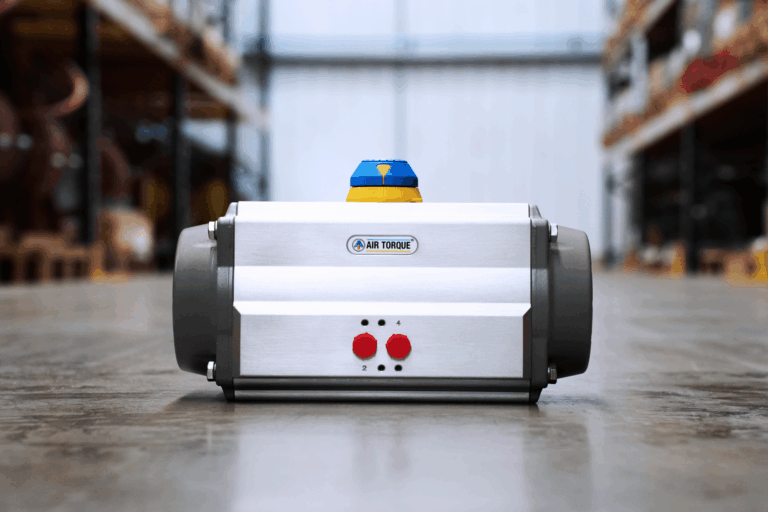
Valve automation introduces additional challenges in hydrogen service. Required operating torques must be calculated across the full range of operating conditions, and drive-train materials must be carefully selected not only for strength but also for resistance to hydrogen exposure. In high-temperature applications, valve and actuator orientation must be considered to ensure components remain within their operational limits with heat shielding applied where necessary.
ATEX and Hazardous Area Classification
ATEX certification of switchboxes, solenoids, positioners, and associated equipment must be appropriate for hydrogen-rich environments. Equipment that is acceptable for refinery or offshore applications may not be suitable for areas containing H2.
Conclusion
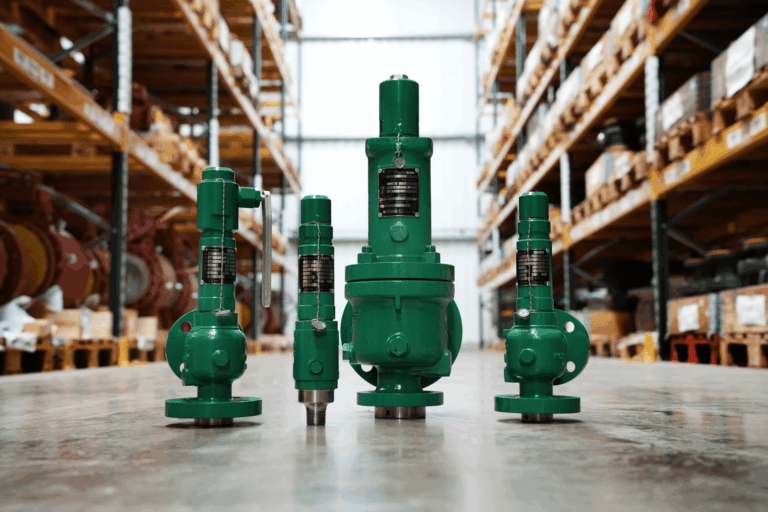
Specifying and designing valves for hydrogen applications involves far more than simply fitting a green lever. There are so many facets to this application and sharing the correct service information with the Valve supplier is critical, as many applications are push valves and associated equipment close to their operational limits.
At ACV, we work with a wide number of specialist manufacturers in this field and have our own manufacturing, fabrication, automation and test facilities to ensure that products are precisely selected to provide correct operation in all H2 applications. Get in touch now to discuss your hydrogen valve requirements and find out how we can support your project at every major step of the design, specification, supply, testing and commissioning process.
Guide to Selecting Valves for Hydrogen Service
Valves used in hydrogen services operate under extreme pressures and temperatures, and as such as demand specialised designs and material selection. In this article, we outline key considerations when specifying valves for hydrogen services by looking at the different applications, valve requirements and valve types before discussing the main challenges and how these can be overcome.
Hydrogen Operating Conditions and Applications
Hydrogen production, transportation and storage involve pressures from a few milli-bar to over 1000 BARg and temperatures from -253°C to over 1000°C with fluids such as hydrogen, oxygen, methane and produced solids such as carbon powders. Each combination of pressure, temperature and media bring along their own combination of challenges.
Valves need to provide reliable leak free operation utilising materials of construction that perform well under these conditions and resist catastrophic failure because of molecular Hydrogen attacking the core structure of materials.
Common valve types include ball valves, check valves and butterfly valves along with a wide range of instrumentation valves and fittings.
Standards and Specification Landscape
Despite the growing number of hydrogen projects requiring flow and pressure control, there is still a lack of dedicated international valve specifications. API and ASME have partially addressed technical and testing requirements, but comprehensive standards for hydrogen-rich environments have yet to be established.
Hydrogen Embrittlement and Sealing Challenges
Hydrogen is the smallest molecule size, and this allows it to wreak havoc with some materials. This causes embrittlement which can lead to not only catastrophic failure, but also leakage where components are incorrectly designed or made from the wrong materials. Hydrogen can pass into and through certain elastomers also, so the selection of hydrogen proven grades with a high shore hardness is critical, seats need to be soft enough to allow efficient sealing but hard enough to work under the extreme loads at high pressure.
Testing Requirements for Hydrogen Valves
Testing equipment to ensure minimal leakage is critical. Conventional hydrostatic and pneumatic testing methods accepted in many industries are insufficient, as even high-pressure nitrogen testing only confirms the structural integrity of the valve. To properly assess internal and external leakage performance, helium leak testing should be considered the baseline with hydrogen-containing test media used where possible to better simulate actual site conditions.
High Temperature Hydrogen Applications
High temperature valves must be carefully selected to provide the lowest possible through leakage and zero leakage to atmosphere. High temperature valves are commonly seen in Hydrogen production where there can be a wide number of impurities and by-products in the fluid. Precipitation of carbon in certain processes at high temperatures can cause untold problems as the powder builds up and can completely block equipment.
Valve Automation Considerations
Correct valve design and selection is critical, and suppliers need to know the precise design conditions that need to be considered. As temperature and pressure increases even a few degrees or BAR can necessitate critical changes in design and materials.
Valve automation introduces additional challenges in hydrogen service. Required operating torques must be calculated across the full range of operating conditions, and drive-train materials must be carefully selected not only for strength but also for resistance to hydrogen exposure. In high-temperature applications, valve and actuator orientation must be considered to ensure components remain within their operational limits with heat shielding applied where necessary.
ATEX and Hazardous Area Classification
ATEX certification of switchboxes, solenoids, positioners, and associated equipment must be appropriate for hydrogen-rich environments. Equipment that is acceptable for refinery or offshore applications may not be suitable for areas containing H2.
Conclusion
Specifying and designing valves for hydrogen applications involves far more than simply fitting a green lever. There are so many facets to this application and sharing the correct service information with the Valve supplier is critical, as many applications are push valves and associated equipment close to their operational limits.
At ACV, we work with a wide number of specialist manufacturers in this field and have our own manufacturing, fabrication, automation and test facilities to ensure that products are precisely selected to provide correct operation in all H2 applications. Get in touch now to discuss your hydrogen valve requirements and find out how we can support your project at every major step of the design, specification, supply, testing and commissioning process.